
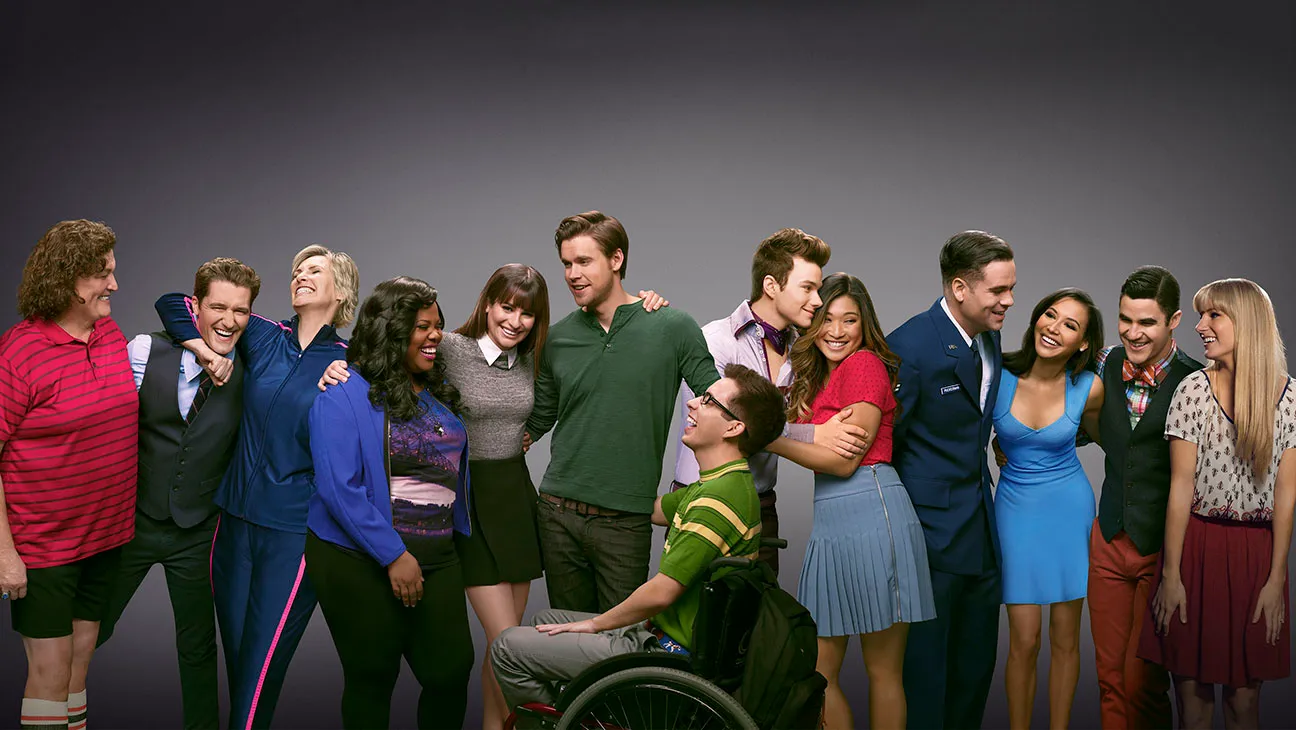
Glee Reboot is in the Works
When Disney+ and Hulu officially greenlit a Glee reboot spearheaded by co-creator Ryan Murphy, it sent a jolt of nostalgia through the entertainment world. Eleven years after the Fox musical phenomenon wrapped its six-season run, the Mouse House is betting big on William McKinley High School to recapture lightning in a bottle. But behind the headline-grabbing revival lies a massive strategic question: Can a formula built for the iTunes era survive the modern streaming economy?
During its original 2009–2015 run, Glee was more than a television show; it was an absolute commercial juggernaut. Every week, the cast dropped glossy, high-energy covers of pop, rock, and Broadway classics onto digital storefronts, shattering Billboard records previously held by icons like Elvis Presley and The Beatles. Songs like Journey’s “Don’t Stop Believin'” saw explosive sales spikes, proving that television could act as a direct pipeline to music charts. The show proved that musical storytelling could generate lucrative secondary revenue streams through soundtrack albums, digital downloads, and massive live tours.
However, the media landscape has fundamentally transformed. When Glee dominated the charts, weekly track purchases dictated cultural impact. Today, the music industry runs on subscription streaming, algorithmic discovery, and TikTok-driven virality. While Disney points to a resilient base of millions of monthly listeners streaming the classic catalog on platforms like Spotify, transitioning that nostalgic affection into weekly, habit-forming engagement for a brand-new iteration is an entirely different hurdle.
Furthermore, the original series relied heavily on high-concept covers of familiar tracks. In today’s hyper-fragmented audio market, a reboot cannot simply rely on recycling yesterday’s greatest hits or leaning solely on original cast reunions. To truly revive its multi-million-dollar music model, the creative team must find a way to break new artists and original compositions—much like past Disney properties that launched global singer-songwriters.
Ultimately, the Glee revival has all the ingredients for a high-visibility rollout: built-in multi-generational awareness, a deep foundational fanbase, and Ryan Murphy’s signature theatrical flair. Yet, as it prepares to hit Disney+ and Hulu, its ultimate success will depend on whether it can evolve past pure comfort food and create cultural resonance that translates into sustained streaming metrics. The glee club is stepping back onto the stage, but the rules of the music industry have entirely changed.