
Influencer or Distraction?
The US Open has long been celebrated as the loudest, splashiest, and most spectacle-driven of tennis’s four Grand Slams. Known for its celebrity-packed suites, viral Honey Deuce cocktails, and electric night matches, Queens transforms into the cultural epicenter of New York every late August. But at this year’s tournament, the line between atmospheric entertainment and professional distraction blurred to a point that left players, fans, and officials deeply frustrated.
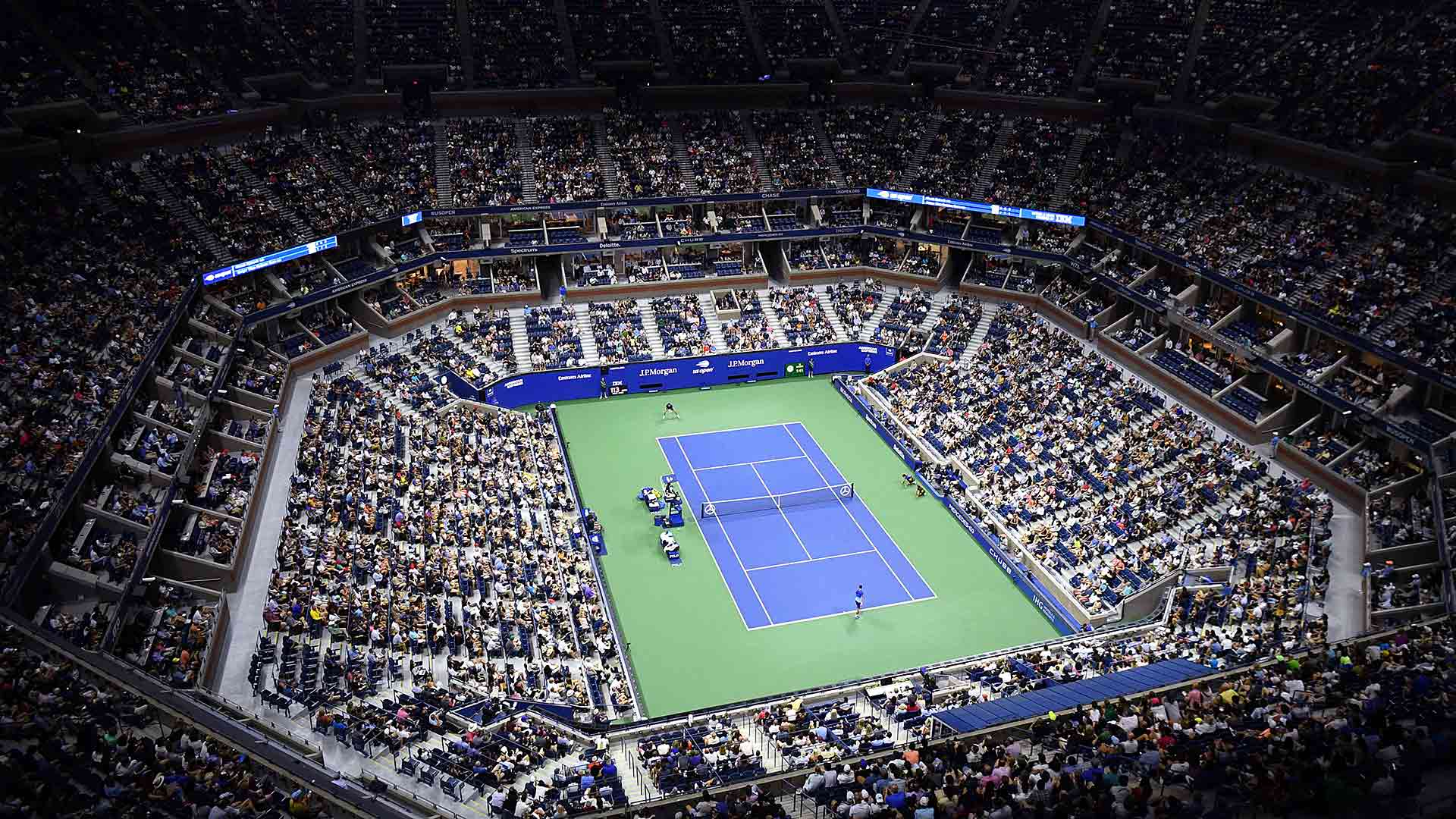
The controversy peaked during a high-stakes first-round match on Arthur Ashe Stadium between four-time Grand Slam champion Naomi Osaka and Anastasia Zakharova. Midway through the second set, as Osaka prepared to serve, play came to an abrupt halt. The culprit was not a typical rowdy fan or an ill-timed shout, but an impromptu, highly visible photoshoot in a luxury suite directly behind the baseline.A group of content creators was standing, pacing, and using glaring portable ring lights to film social media videos—completely indifferent to the action unfolding just feet below them.
Chair umpire Kader Nouni was forced to pause the match and address the suite over the stadium loudspeaker: “Guys, please, in the suite behind me… please take your seat.”
The incident brought a glaring contradiction in the USTA’s modern strategy into focus.In an effort to reach younger demographics and boost digital engagement, tournament organizers expanded their content creator credential program this year to nearly 100 influencers, double last year’s number. While the strategy successfully generated millions of impressions, it simultaneously introduced attendees who appeared unfamiliar with traditional court etiquette, where stillness and silence during play are essential.
Reactions from players were swift. Addressing the media after her match, Osaka offered a measured perspective, noting that while creator culture can help popularize tennis, it requires far stricter boundaries. “If you come to a sporting event, you have to respect the sport,” Osaka stated, emphasizing that the environment needs to be managed much better. World No. 3 Jessica Pegula was even more direct, calling the use of selfie lights mid-match “disrespectful” to athletes whose livelihoods are on the line.
In response, USTA representatives defended the overall initiative, maintaining that such disruptions occur “infrequently” and that umpires hold the authority to manage crowd behavior.However, with public pushback mounting and prominent players speaking out, the tournament faces a growing identity crisis.As the US Open continues its transformation into a multi-hyphenate lifestyle festival, tournament organizers will need to decide where content creation ends and respect for the game begins.